

Key Takeaways
- Sustainable and energy-efficient features are now standard in custom homes.
- Demand for flexible, multi-use spaces reflects new family and lifestyle needs.
- Smart technology integration enhances security, energy savings, and comfort.
- Custom home market share is fluctuating, with strong regional variations.
As the custom home building industry evolves in 2026, new trends are reshaping what homeowners want and expect from their living spaces. Economic shifts, environmental concerns, and changing lifestyles are all influencing how custom homes are designed and built. Whether you’re planning to build soon or just starting your research, understanding these trends will position you for success in this dynamic market. For those seeking expert guidance in Texas, experienced home builders Dallas, Texas can help navigate these new standards.
The shift to sustainable, multifunctional homes is gaining speed, with technology integrated into nearly every facet of the house. Affordability remains key, pushing builders and buyers to find innovative ways to maximize value without compromising comfort or utility. Understanding national trends and local factors is crucial in navigating these changes. Homeowners and industry pros monitor how market forces, local economies, community culture, and evolving regulations influence custom home construction.
Sustainable and Energy-Efficient Designs
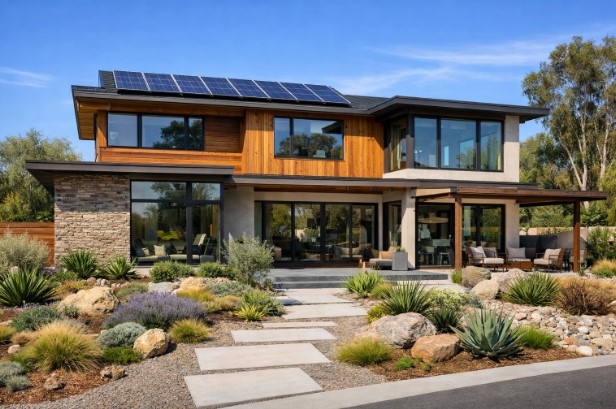
Environmental responsibility dominates custom home design in 2026. Homeowners now expect features like solar panels, high-performance insulation, and energy-efficient appliances. Sustainable materials such as reclaimed wood, low-VOC paints, and recycled steel reduce environmental impact and save costs. This shift results from consumer awareness and stricter building codes. Builders collaborate with architects and homeowners to incorporate passive design, maximizing natural light and insulation for lower energy bills and healthier indoor spaces. Rainwater collection, drought-tolerant landscaping, and advanced HVAC are common, cutting long-term costs and boosting resale value as buyers favor eco-friendly homes.
State and local incentives, such as tax breaks and rebates, are often available to those investing in green building technologies. Homeowners interested in custom builds are encouraged to investigate programs in their area, as these can significantly reduce up-front expenses while supporting sustainability goals. The future of custom home design will likely see even more innovative approaches to integrating green technology in ways that are both elegant and effective.
Multifunctional Spaces for Modern Living
The way people use their homes has changed dramatically in recent years. Today’s designs prioritize flexibility, with dedicated spaces for work, exercise, and leisure blending seamlessly into floor plans. For example, home offices often convert easily into guest rooms or study areas, while open-plan living rooms feature nooks for children’s play or craft hobbies. This approach maximizes both comfort and space, making homes adaptable for evolving family needs.
The adaptability of modern homes extends to outdoor living as well. Screened porches, outdoor kitchens, and flexible patio layouts are taking center stage as homeowners increasingly view their yards as true extensions of their living spaces. Builders are therefore focusing on seamless transitions between indoor and outdoor areas, using oversized sliding doors, retractable walls, and durable materials that withstand the elements. By designing homes with both current and future uses in mind, builders ensure greater satisfaction and functionality for homeowners over the life of the property.
Technological Integration Shapes Modern Homes
Smart home technology is now a minimum expectation. Homeowners want seamless integration for everything from security to lighting and climate control. Features like voice-activated assistants, smart thermostats, and automated blinds are now almost standard, delivering convenience and improved energy efficiency. Builders are also incorporating advanced networking systems to ensure reliable connectivity in every room, supporting the demands of remote work and online learning.
The emphasis on technology doesn’t stop there—custom home projects increasingly feature built-in charging stations, whole-home audio systems, and integrated security cameras. Even kitchen appliances are joining the smart revolution, offering features such as remote start, automatic inventory tracking, and personalized recipe guidance via connected devices. As technology evolves, so too does the expectation that these innovations be both intuitive and customizable.
Market Dynamics and Regional Variations
The share of custom homes among all single-family homes started in 2026 stands at 17.5%, a decline from previous years. This dip may reflect current economic pressures, shifting demographics, or increased interest in move-in-ready housing. However, the custom home sector remains robust in certain regions. For example, New England posted the highest share of custom homes at 41.2%, while the West South-Central division had just 10.7%. Regional economies, local land availability, and building regulations are key factors driving these differences.
In some states, the availability of skilled labor, zoning flexibility, and proximity to thriving metropolitan areas are helping to drive custom home demand above the national average. Conversely, high land prices, stricter permitting processes, and changes in interest rates can reduce new starts, particularly in densely populated regions. These regional contrasts highlight the importance of working with local experts to fully capitalize on unique opportunities and avoid common pitfalls.
Innovative Design: Minimizing Hallways, Maximizing Utility
One eye-catching trend in 2026 is the decline of long, unused hallways in favor of more compact and interactive spaces. Builders are repurposing this square footage into small workstations, play areas, or storage alcoves, boosting both utility and cost-efficiency. These changes are especially appealing as construction costs rise, allowing more of the home’s footprint to serve practical, everyday needs. According to a report from Eye On Housing, these space-saving strategies are also helping to make high-quality custom homes more accessible on a tighter budget.
Creative design is also improving accessibility; homes increasingly feature wider doorways, curb-free showers, and zero-step entrances, promoting age-in-place options and meeting broader accessibility standards. By focusing on universal design and eliminating wasted space, builders create homes that are flexible and can serve family members of all ages and abilities. These touches not only add to a home’s long-term value but also reflect a broader push to make custom homes truly inclusive spaces.
Affordability and Smaller Homes: A New Standard
A growing number of builders report scaling down home sizes to appeal to first-time buyers and meet broader affordability goals. By trimming square footage yet focusing on open, flexible layouts, these smaller homes provide value without compromising the owner’s quality of life. This trend is driven by high construction costs and the persistent nationwide shortage of new homes, making efficient design even more critical for both builders and buyers.
To compensate for reduced size, architects and builders emphasize high ceilings, large windows, and thoughtful storage solutions that make homes feel spacious and inviting. Incorporating multipurpose furniture and modular cabinetry further enhances functionality, while the strategic use of colors and materials enhances both aesthetics and practicality. With more emphasis on quality and craftsmanship rather than sheer size, the market is shifting toward homes that better fit changing lifestyles and budgets.
Conclusion
The custom home market in 2026 is defined by environmentally friendly design, flexible floor plans, and the latest technologies, all while addressing affordability and regional variation. For homeowners and industry professionals alike, staying informed of these trends is key to designing and building homes that meet the demands of today and tomorrow.