

Key Takeaways
- A durable driveway depends on proper preparation below the surface, not just the final pavement appearance.
- Soil evaluation, grading, drainage, base materials, and compaction are essential for long-term performance.
- When choosing between asphalt, concrete, gravel, or permeable options, consider traffic, budget, and site conditions.
- Contractor estimates should include excavation, drainage, base preparation, materials, and maintenance details.
- Regular maintenance and early repairs can help prevent cracks, water damage, and costly driveway failures.
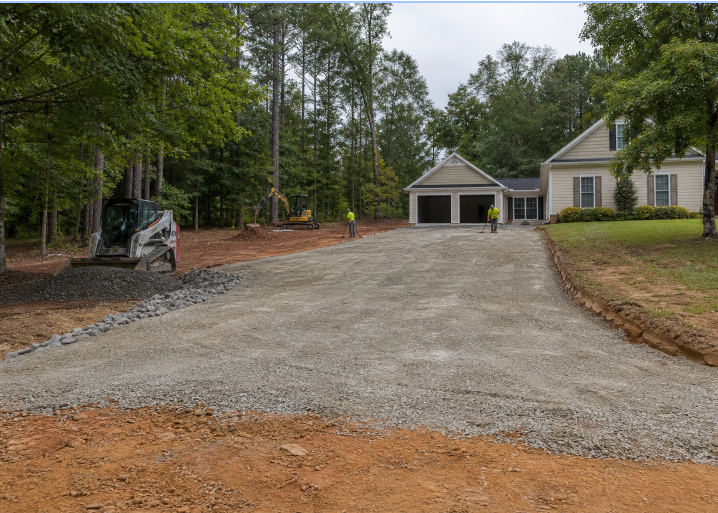
A long-lasting driveway is not defined only by a smooth finish on installation day. It depends on what happens below the visible surface, including soil preparation, grading, drainage, aggregate base, compaction, and material selection. For property owners planning work in the Central Savannah River Area, site contractors north Augusta, SC, such as Csra Site Work & Pavement offer relevant experience across site preparation, grading, underground infrastructure, concrete work, and asphalt paving. The company serves North Augusta, Aiken, Augusta, and surrounding communities, making it a useful local reference for projects where pavement performance begins with proper site work. A driveway can look level and new while still having hidden weaknesses. If water reaches soft soil, the base is too thin, or materials are not compacted correctly, dips, cracks, rutting, and edge failure can follow. A durable driveway is a complete system designed to carry traffic and direct water safely away.
Why Driveway Longevity Starts Below The Surface
Asphalt and concrete are only the top layers of a pavement system. Below them are the subgrade soil and aggregate base that support vehicle loads. When those layers are unstable, even premium pavement materials can settle or crack. For example, a newly paved driveway may develop low spots within a season if the contractor paved over wet fill or failed to correct soft ground before placing the base.
Step One: Review The Site Before Work Begins
A careful site review helps identify conditions that affect design, cost, and construction methods. Before excavation begins, inspect the slope, soil, vegetation, driveway entrance, nearby structures, and available access for equipment.
- Look for standing water, soft areas, old fill, exposed roots, and erosion.
- Consider where roof downspouts, neighboring slopes, and irrigation water drain.
- Identify buried utilities before digging.
- Plan for actual use, including cars, trailers, delivery trucks, or heavy equipment.
Finding these issues early can prevent expensive changes after crews are already on site.
Step Two: Clear And Prepare The Ground
- Remove grass, roots, topsoil, debris, and unstable material.
- Excavate to the depth needed for the planned base and surface.
- Inspect exposed soil for wet, loose, or pumping areas.
- Replace unsuitable soil or stabilize it when conditions require it.
- Keep water out of the work area before base materials are installed.
Topsoil is valuable for landscaping, but it is not a dependable pavement foundation. Organic material decomposes and shifts, which can create settlement below a driveway.
Step Three: Get The Grading Right
Grading shapes the land so water moves in a controlled direction. A driveway does not need to look steep, but it should have enough slope to avoid ponding. The finished grade should carry runoff away from garages, foundations, sidewalks, and neighboring property whenever practical. Common grading problems include low spots in the wheel paths, abrupt transitions at the street or garage, and pavement that directs water toward a building. Final elevations should be checked before asphalt or concrete is placed, because correcting drainage after installation is often more disruptive and expensive.
Drainage Choices For Residential And Commercial Sites
Some properties can manage water with surface grading alone. Others need swales, catch basins, trench drains, French drains, underground piping, or a combination of solutions. Layered stone bases and permeable surfaces can also help manage runoff when the site is suitable and the system is maintained. This overview of driveway drainage design explains how gravel, porous pavers, and pervious surfaces can support better water movement.
Every drainage feature needs a practical outlet. Water should not simply be redirected toward a neighbor, public sidewalk, or structure. Local requirements may apply when runoff patterns change or when a project connects to public drainage infrastructure.
Choosing Between Asphalt, Concrete, And Other Surfaces
- Asphalt: A flexible, clean-looking option that can be repaired or resurfaced. It still requires a stable, well-drained base.
- Concrete: A rigid surface with design flexibility and long-term durability, but poor subgrade preparation can lead to cracking and slab movement.
- Gravel: Usually has a lower initial cost, but needs periodic reshaping, replenishment, and edge control, especially on slopes.
- Permeable paving: Can support stormwater management, provided the soil, base layers, slope, and maintenance plan are appropriate.
The best choice depends on traffic, soil conditions, drainage needs, appearance preferences, climate, budget, and expected maintenance.
Why Compaction And Base Materials Matter
A compacted aggregate base spreads vehicle loads and helps protect the subgrade. Base stone should be placed and compacted in manageable layers rather than dumped in one deep lift. Inadequate compaction can lead to settlement, cracking, rutting, and shifting at pavement edges. The required base depth varies with soil conditions, drainage, pavement type, and expected traffic. A useful question for any contractor is: “How will the base be compacted and tested before the surface is installed?”
Permits, Utilities, And Local Project Rules
Before changing a driveway entrance, curb connection, drainage route, or right-of-way area, check applicable requirements. Utility marking is essential before excavation. City, county, neighborhood, and homeowners association rules may address access points, setbacks, drainage, restoration, and appearance. Requirements can differ between North Augusta, Aiken, Augusta, and nearby communities.
How To Compare Contractor Estimates
- Confirm the paved area, excavation depth, and pavement thickness.
- Request written details about the base material and compaction.
- Ask where the runoff will go after completion.
- Verify whether demolition, hauling, drainage, permits, and restoration are included.
- Compare schedules, warranties, payment terms, and change-order policies.
A low bid is not always a comparable bid. It may exclude excavation, removal of unsuitable soil, drainage work, or base preparation that supports the finished surface.
Warning Signs Of A Weak Driveway Plan
- The proposal describes only asphalt or concrete, not the work underneath.
- No drainage path or finished grade is discussed.
- Soft soil will be paved over without correction.
- There is no plan for layered base compaction.
- Utilities, permits, edges, transitions, and restoration are not addressed.
Maintenance Steps That Protect The Finished Surface
Keep drains, channels, and driveway edges clear of leaves and soil. Repair small cracks before water reaches the base. Watch for new puddles, soft spots, ruts, erosion, and settlement after major storms. Keep heavy vehicles within the surface’s intended load limits, and direct downspouts away from pavement.
Common Questions About Durable Driveways
How Long Should A New Driveway Last?
Service life depends on material, traffic, climate, soil, drainage, installation quality, and maintenance. There is no single guarantee that fits every property.
Can A New Surface Be Installed Over An Existing Driveway?
An overlay may work when the existing pavement and base are stable. Full removal is usually safer when there are major cracks, settlement, drainage failures, or soft areas.
Does Every Driveway Need A Drain?
Not every driveway needs a dedicated drain, but every driveway needs a clear plan for handling rainwater.
Final Checklist Before Construction Starts
- Site conditions, utilities, permits, and access have been reviewed.
- Final elevations and drainage paths are understood.
- Excavation, soil correction, base materials, and compaction are included in writing.
- The selected pavement matches the property and expected traffic.
- Maintenance expectations and warranty details are documented.
Conclusion
Durable pavement is built through a series of careful decisions below and above ground. Stable soil, accurate grading, effective drainage, proper compaction, and the right surface material work together to protect a driveway for years. Focus less on the darkest asphalt or the most decorative finish, and more on the complete system that supports it. A well-planned driveway can improve property access, reduce future repair needs, and provide better performance through changing weather conditions. Working with experienced professionals who understand local soil, drainage challenges, and construction requirements can help ensure the project is designed for long-term success. By investing time in preparation, material selection, and proper installation practices, property owners can create a surface that remains functional, safe, and visually appealing for many years.